
Plumés Bedding

Guide 06

What fill power actually means

Fill power is the single most misunderstood number in down bedding. It is not a warmth rating and it is not a quality grade on its own — it describes how much space the down takes up.

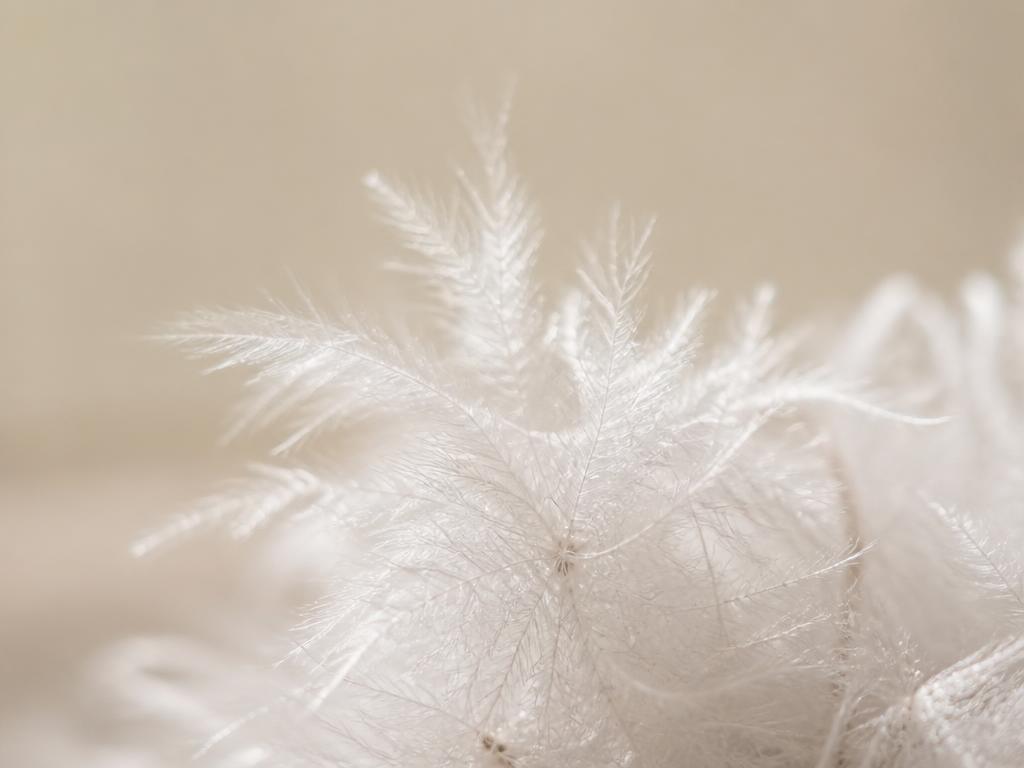
A close view of white goose down clusters showing loft and cluster size

The short answer

Fill power is the volume, in cubic inches, that one ounce of down occupies when allowed to expand. A 920 fill power down expands further than a 560, so it reaches the same warmth with less fill inside the shell.

Higher fill power therefore buys lightness, loft and long-term recovery — not extra heat. Warmth comes from how much down is in the piece; fill power decides how heavy that warmth feels.

How the number is produced

A weighed sample of down is conditioned, dropped into a cylinder and left to expand under a light disc. The volume it settles at, divided by the sample weight, is the fill power. Larger, more mature clusters trap more air, so they fill more space per ounce.

Because it is a volume-per-weight measure, fill power says nothing by itself about how much down is inside a finished comforter. Two comforters can share a fill power and sleep completely differently if one holds more fill than the other.

What our range feels like

We build across four fill powers, and the difference between them is felt in the hand long before it is felt in warmth.

  • Same warmth, less weight as the number climbs
  • Higher fill power recovers loft better after years of use
  • Lower fill power is not lesser down — it is a different feel
Fill powerIn the handBest for
560More body, a reassuring weightSleepers who like to feel the bedding on them
650Balanced loft, everyday comfortMost bedrooms and most budgets
800High loft, noticeably lightWarmth without weight, year-round use
920Cloud-like, barely thereThe lightest possible warm comforter
Fill power across the Plumés collections

When the higher number is worth it

If you dislike weight on you, or you want one comforter that works most of the year, spend on fill power. The piece will be lighter, drape more softly and hold its loft longer.

If you like the grounded feeling of bedding you can sense, a 560 or 650 will make you happier than a 920 — and cost less. That is a preference, not a compromise.

What matters just as much

The shell decides whether the down stays put. Our shells run from 233 to 360 thread count in tightly woven cotton, which keeps clusters in and still breathes.

Construction matters too: baffle boxes give the down room to reach its full loft, while sewn-through channels sit flatter. And traceability matters — our down is RDS certified and our fabrics are OEKO-TEX® certified, which no fill power figure tells you.

Common questions

Answered plainly

Is higher fill power warmer?
Not by itself. Warmth depends on how much down is in the piece. A higher fill power reaches a given warmth with less weight, which is why our lightest comforters are also our highest fill power.
What is a good fill power?
Anything from 550 upward is genuinely good down. 650 is an excellent everyday choice, 800 and above is where the bedding starts to feel weightless.
Does fill power affect how long a comforter lasts?
Indirectly, yes. Larger, more mature clusters recover their loft better after years of compression, so a high fill power piece tends to stay lofty longer when it is cared for.
Is 920 fill power worth the price?
If you want the lightest possible warm comforter, yes. If you enjoy feeling the weight of your bedding, put the money into size and shell instead.

Talk to us

Not sure which number suits you?

Tell us whether you like to feel your bedding or barely notice it, and we will name the fill power rather than sell you the highest one.

Or call and text 908.349.0040